
Evidence-Based TCM Treatment Options for Infertility
Traditional Chinese Medicine (TCM) has been used for centuries to address infertility, and growing evidence supports its effectiveness. Here are key evidence-based TCM treatments for infertility focusing on acupuncture and herbal medicine:
Acupuncture
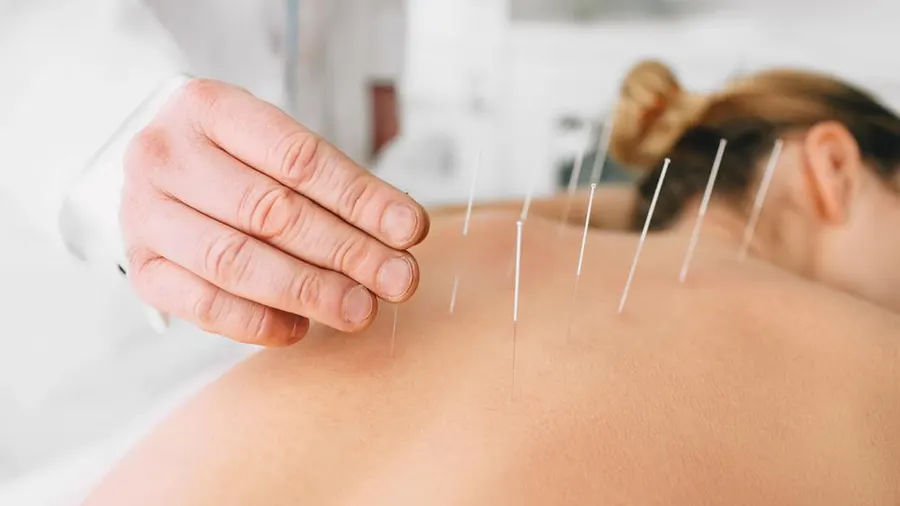
Description: Acupuncture involves inserting fine needles into specific points on the body to regulate Qi (energy) and enhance overall health.
Evidence: Studies have shown that acupuncture can improve pregnancy rates in women undergoing in vitro fertilization (IVF). A meta-analysis found that women receiving acupuncture during IVF had higher pregnancy rates compared to those who did not.
Mechanism: Acupuncture increases blood flow to the reproductive organs, reduces stress, and balances hormones.
- Increased Blood Flow: Acupuncture promotes blood flow to the ovaries and uterus, enhancing the endometrial lining’s receptivity to implantation.
- Hormonal Balance: It can help regulate the hypothalamic-pituitary-ovarian axis, improving ovulatory function.
- Stress Reduction: Acupuncture has been shown to reduce cortisol levels, mitigating the negative effects of stress on fertility.
Herbal Medicine
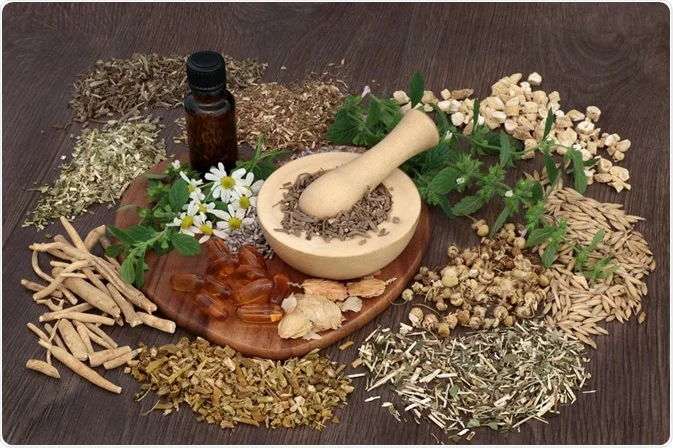
Description: TCM uses herbal formulas tailored to an individual’s condition to improve fertility.
Evidence: Systematic reviews and meta-analyses have found that TCM herbal medicines can improve the success rate of IVF and intrauterine insemination (IUI). Combining herbal treatments with conventional fertility treatments results in higher pregnancy rates.
Common Herbs:
- Dang Gui (Angelica sinensis): Known for its blood-nourishing properties, it helps to improve blood circulation and regulate the menstrual cycle.
- Bai Shao (Paeonia lactiflora): Used to nourish the blood and preserve Yin, it can help in the regulation of the menstrual cycle.
- Huang Qi (Astragalus membranaceus): Enhances the immune system and improves overall vitality, supporting reproductive health.
- Cinnamon Bark (Rou Gui): Often used to warm the uterus and improve blood flow, particularly beneficial for those with cold-induced infertility.
- Poria (Fu Ling): Helps in draining dampness and supporting the spleen, beneficial for balancing the body’s fluids and improving overall health.
Mechanism:
- Hormonal Regulation: Herbal formulas can influence hormone levels, improving ovulatory function and menstrual regularity.
- Immune Function: Certain herbs enhance immune function, creating a healthier environment for conception.
- Anti-inflammatory Properties: Many herbs have anti-inflammatory effects, which can improve conditions like endometriosis and PCOS that affect fertility.
Combining Acupuncture and Herbal Medicine
Description: Integrating acupuncture and herbal medicine provides a comprehensive approach to infertility treatment.
Evidence: Studies have indicated that the combination of acupuncture and herbal medicine can enhance fertility outcomes more effectively than either treatment alone.
Benefits: This combined approach maximizes the benefits of both therapies, addressing multiple aspects of reproductive health, including hormonal balance, immune function, and stress reduction.
Conclusion
TCM offers effective, evidence-based treatments for infertility, with acupuncture and herbal medicine being at the forefront. Acupuncture increases blood flow to reproductive organs, reduces stress, and balances hormones, while herbal medicine uses specific herbs to regulate hormones, improve immune function, and reduce inflammation. Combining these treatments can provide a comprehensive approach to enhancing fertility and improving the chances of conception.