Introduction to Tui Na: Chinese Therapeutic Massage
Tui Na (pronounced “twee nah”) is a form of Chinese therapeutic massage that has been practiced for over 2,000 years. Rooted in the principles of Traditional Chinese Medicine (TCM), Tui Na is an integral part of China’s medical system and is used to treat a wide range of health conditions. The name “Tui Na” itself translates to “push and grasp,” which reflects the basic techniques employed in this form of bodywork.
Historical Background
The origins of Tui Na can be traced back to ancient China, where it was developed alongside other TCM practices such as acupuncture, herbal medicine, and qigong. Historical texts, such as the “Huangdi Neijing” (The Yellow Emperor’s Classic of Internal Medicine), reference the use of massage techniques to promote health and treat illness. Over centuries, Tui Na evolved into a comprehensive therapeutic system, influenced by various schools of thought and regional practices.

The Principles of Tui Na
Tui Na operates on the foundational concepts of TCM, which include the theories of Qi (vital energy), Yin and Yang (the fundamental forces of balance), and the meridian system (pathways through which Qi flows). The primary goal of Tui Na is to restore balance and harmony within the body by regulating the flow of Qi and blood, removing blockages, and supporting the body’s natural healing processes.
Key principles include:
- Qi Flow: In TCM, Qi is the life force that flows through the body, and its smooth circulation is essential for health. Tui Na techniques aim to enhance the flow of Qi and alleviate any stagnation or blockages.
- Yin and Yang Balance: Health is seen as a state of equilibrium between Yin (passive, cooling energy) and Yang (active, warming energy). Tui Na works to harmonize these forces within the body.
- Meridians and Acupoints: The body is mapped with meridians, channels through which Qi flows, and acupoints, specific sites that can be manipulated to influence the body’s energy. Tui Na practitioners target these areas to address various health issues.

Techniques and Methods
Tui Na involves a variety of manipulative techniques, including:
- Rolling (Gunfa): A rolling motion applied with the hands or forearms to relax muscles and enhance Qi flow.
- Grasping (Na): Firmly grasping and lifting tissues to stimulate acupoints and meridians.
- Pressing (An): Applying steady pressure with fingers or palms to specific points or areas to relieve pain and tension.
- Kneading (Rou): Circular rubbing movements to promote circulation and alleviate muscle tightness.
- Pushing (Tui): Using the palms or fingers to push along the meridians to facilitate the movement of Qi and blood.
- Percussion (Pai): Gentle tapping with the hands or fingers to invigorate Qi and stimulate the nervous system.
These techniques are often used in combination, tailored to the individual’s needs and condition. The practitioner may also incorporate joint manipulation, stretching, and acupressure to enhance therapeutic outcomes.
Applications and Benefits
Tui Na is used to address a wide range of conditions, including musculoskeletal issues, internal disorders, and stress-related ailments. Some common applications and benefits include:
- Pain Relief: Tui Na is effective in alleviating chronic pain, including back pain, neck pain, and joint pain. It helps reduce inflammation, improve circulation, and release muscle tension.
- Stress Reduction: By promoting relaxation and balancing Qi, Tui Na can reduce stress, anxiety, and fatigue, enhancing overall well-being.
- Digestive Health: Techniques targeting abdominal areas can improve digestive function and alleviate issues like constipation and indigestion.
- Respiratory Conditions: Tui Na can support respiratory health, addressing conditions such as asthma and bronchitis by improving lung function and clearing blockages.
- Improved Mobility: Joint manipulation and stretching techniques enhance flexibility, range of motion, and overall mobility.
Integration with Other TCM Practices
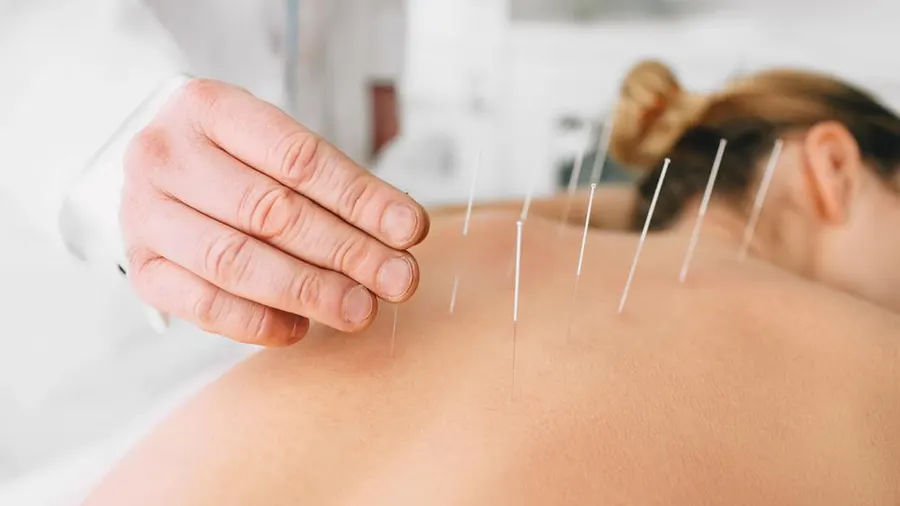
Tui Na is often used in conjunction with other TCM therapies such as acupuncture, herbal medicine, and cupping. This integrated approach maximizes therapeutic benefits and addresses health concerns holistically. For example, a practitioner may use acupuncture to stimulate specific points and Tui Na to enhance the effects by promoting circulation and relaxation.
Modern Practice and Accessibility
Today, Tui Na is practiced globally and has been integrated into many modern health and wellness programs. It is commonly offered in TCM clinics, holistic health centers, and spas. Training for Tui Na practitioners involves extensive study of TCM theory, anatomy, physiology, and hands-on practice to develop the necessary skills and sensitivity.
Conclusion
Tui Na is a versatile and powerful form of Chinese therapeutic massage that offers numerous health benefits. Its emphasis on balancing Qi, harmonizing Yin and Yang, and treating the body as an interconnected system makes it a unique and valuable modality in both traditional and modern healthcare. Whether used for pain relief, stress reduction, or overall health enhancement, Tui Na continues to be a vital practice within the realm of Traditional Chinese Medicine, contributing to the holistic well-being of individuals worldwide.